AI Commerce Summit: Metyis and Google bring commerce leaders together at the Porto Campus
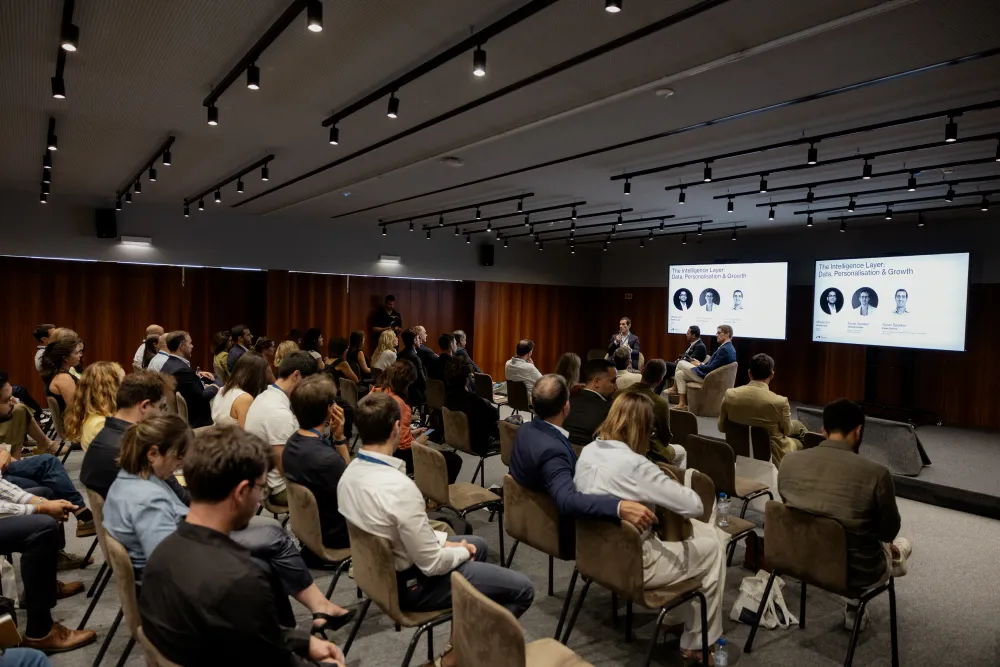
On 24 September, Metyis, in collaboration with Google, welcomed leaders from across retail, digital commerce, technology, analytics, and business transformation to the first AI Commerce Summit at the Metyis Campus in Porto.
The AI Commerce Summit was created in collaboration with Google as a forum for practitioners to discuss how artificial intelligence is changing the way organisations understand customers, operate commerce businesses and make decisions. The event concentrated on the realities of implementation, bringing together representatives from around 30 organisations across several industries.
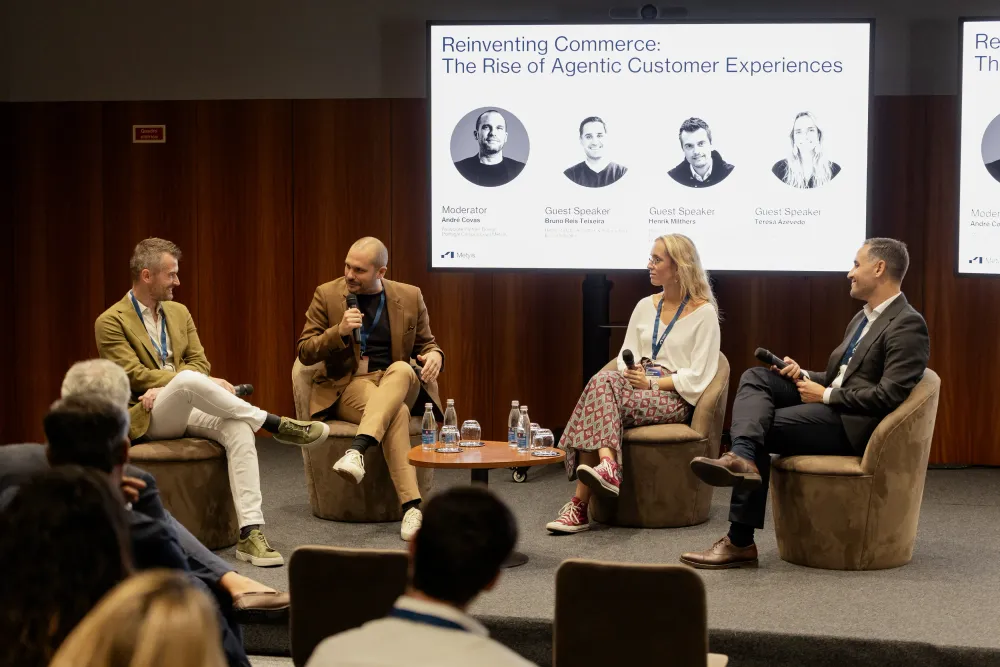
On stage were speakers from organisations including Farfetch, Porto Business School, Salsa Jeans, Google, MC Sonae, Mercedes-Benz.io, HUGO BOSS, B-Parts, El Corte Inglés and Bouwmaat, alongside Metyis moderators.
Creating space for practical conversations about AI
The Summit was built around a challenge many organisations are facing today: moving beyond successful pilots and experiments to embed AI into day-to-day operations at scale.
Rather than focusing on what was called "AI theatre" with demonstrations or future possibilities, the agenda centred on what was described as the "difficult middle" between experimentation and real impact, where organisations must build the data, processes and capabilities needed to make AI work in practice.
The ambition for the day was intentionally simple: whether participants left with one good idea they could act on the next morning, or one meaningful new relationship that could help them navigate the challenges ahead.
Hosting the event at the Metyis Campus in Porto was a deliberate choice since Metyis has continued to invest in multidisciplinary teams spanning data, technology, digital commerce and design, serving international clients from Porto.
As highlighted during the opening session, Portugal has increasingly become "a place you build from" rather than simply a place companies outsource work to, making the Campus a fitting setting for conversations about the future of AI, commerce and business transformation.
Throughout the day, attendees also had the opportunity to explore the AI in Action corners, where Metyis teams showcased practical applications across AI readiness, end-to-end processes and conversational AI.
Exploring AI from strategy to execution
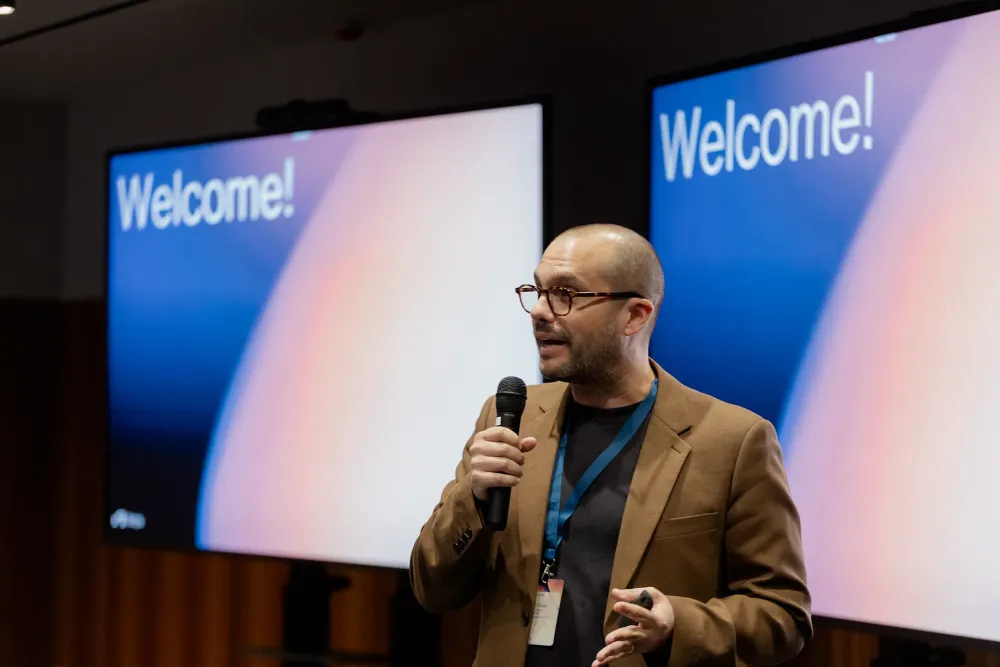
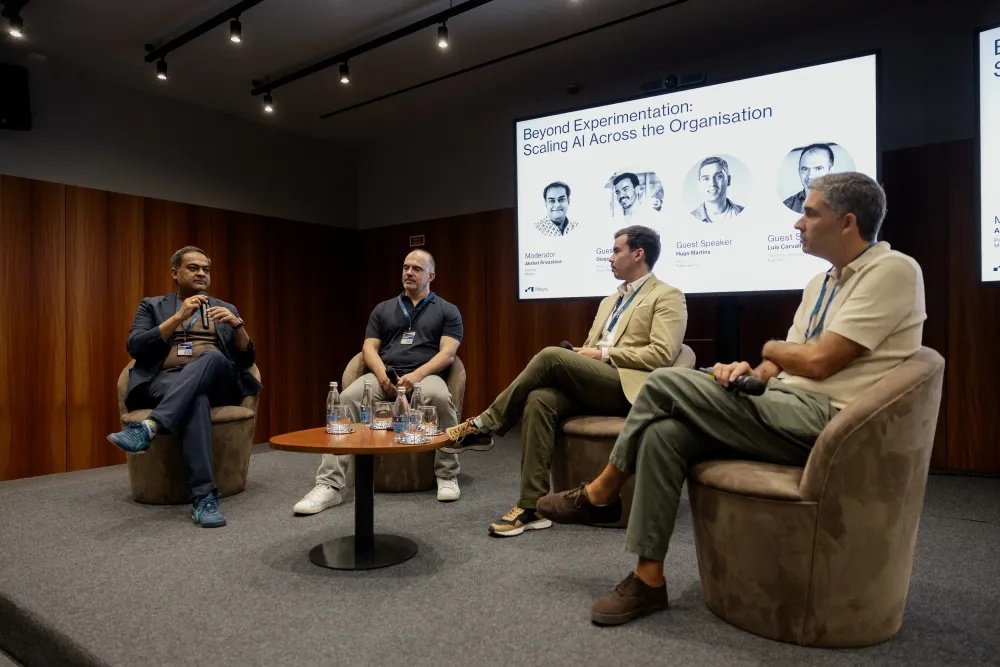
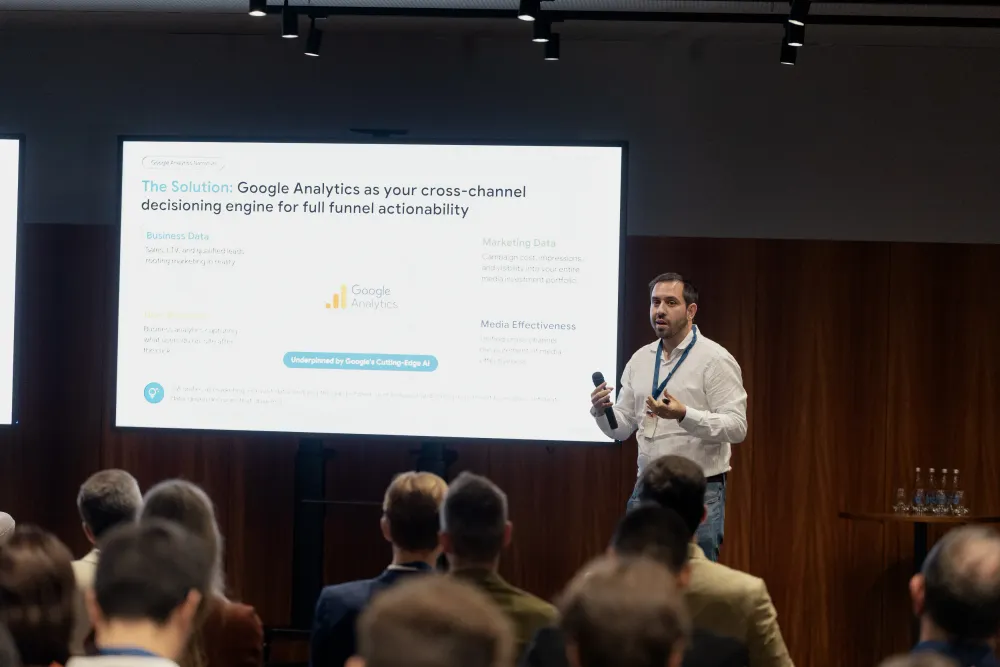
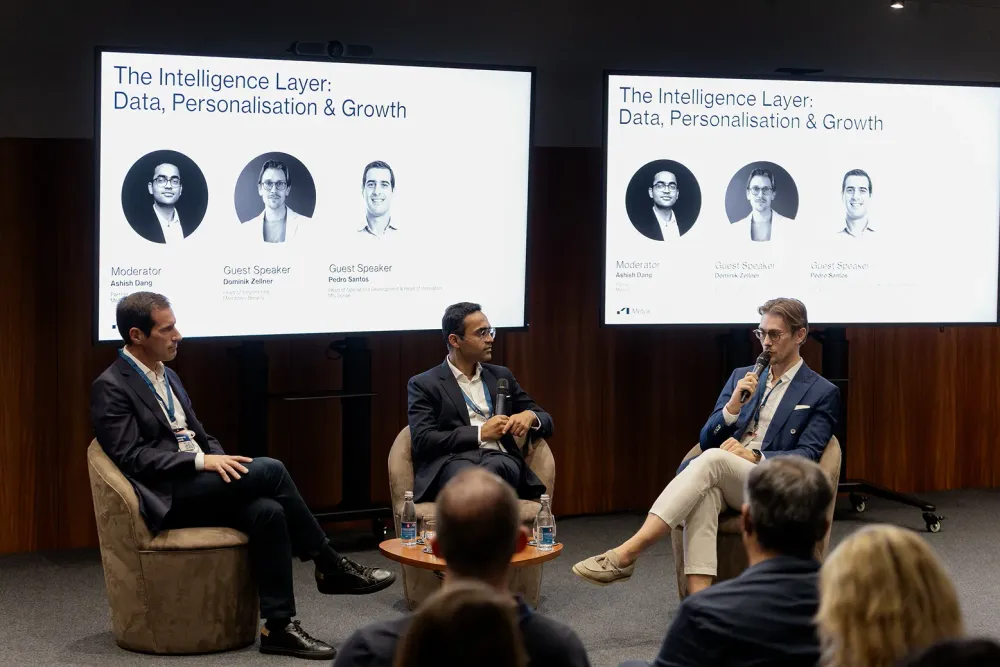
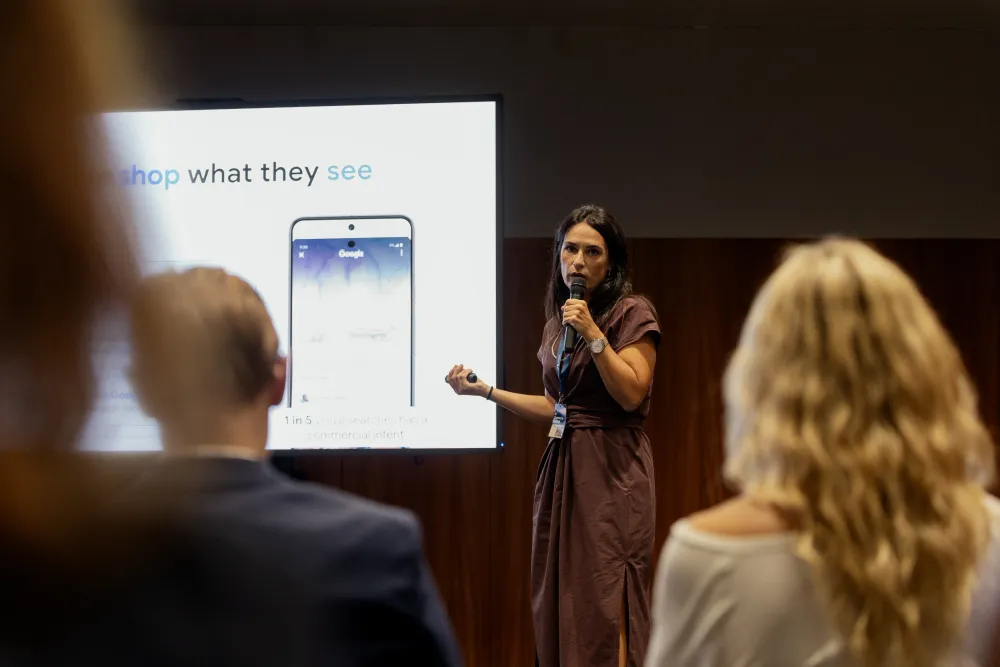
The Summit agenda followed a journey across AI transformation, organisational readiness, data, customer experience, agentic commerce and business transformation.
A transformation story in action
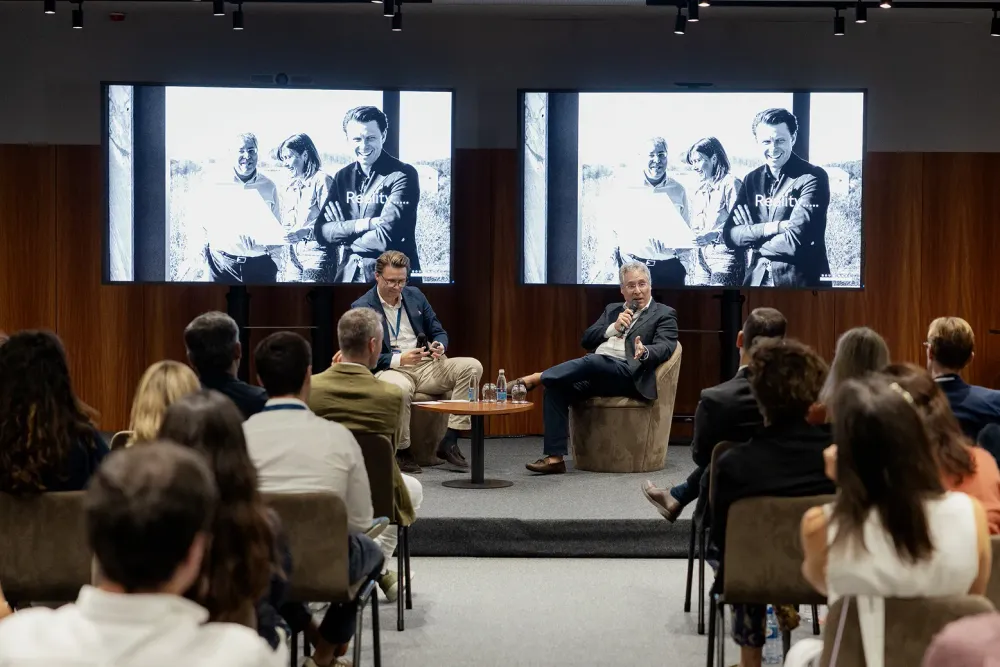
The closing conversation between Paulo Peereboom, CEO of Bouwmaat, and Stijn Groenink, Senior Partner and Global Lead Digital Commerce Solutions at Metyis, provided a practical example of many of the themes discussed throughout the day.
The session focused on the ongoing partnership between Bouwmaat and Metyis, and the work underway to build new eCommerce, omnichannel and data capabilities inside one of the Netherlands' leading B2B building materials businesses. The discussion centred on the organisational changes required to modernise a successful business while maintaining day-to-day performance.
Reflecting on the partnership, Paulo recalled advice from a former manager that still shapes his approach today:
As the day's featured client conversation, it showed how the Bouwmaat-Metyis partnership has grown into a broader transformation agenda, spanning digital commerce, omnichannel growth, data and future AI capabilities.
What comes next started here
The AI Commerce Summit provided speakers and attendees with a chance to reflect on both the opportunities and responsibilities that come with this next wave of technological change. While AI continues to evolve at speed, it was clear that organisations still have a crucial role to play in deciding how these technologies are applied and where they create meaningful value.
As Stijn Groenink reflected in closing, there will always be new technologies, new innovations and new opportunities on the horizon. The challenge for business leaders is defining what the real operational frontier is and turning those opportunities into something tangible. Ultimately, the task ahead is not simply to imagine what AI could do, but to make it real, make it relevant and make it work.